


blog
How Cognexo increases awareness and readiness for new Consumer Duty regulations
The FCA's Consumer Duty regulations outline how consumers should be treated by businesses...
Read more



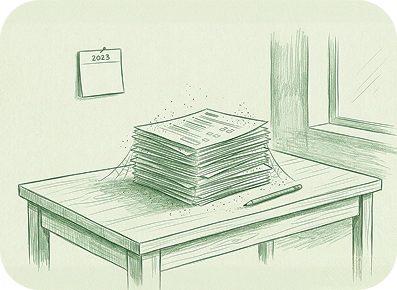
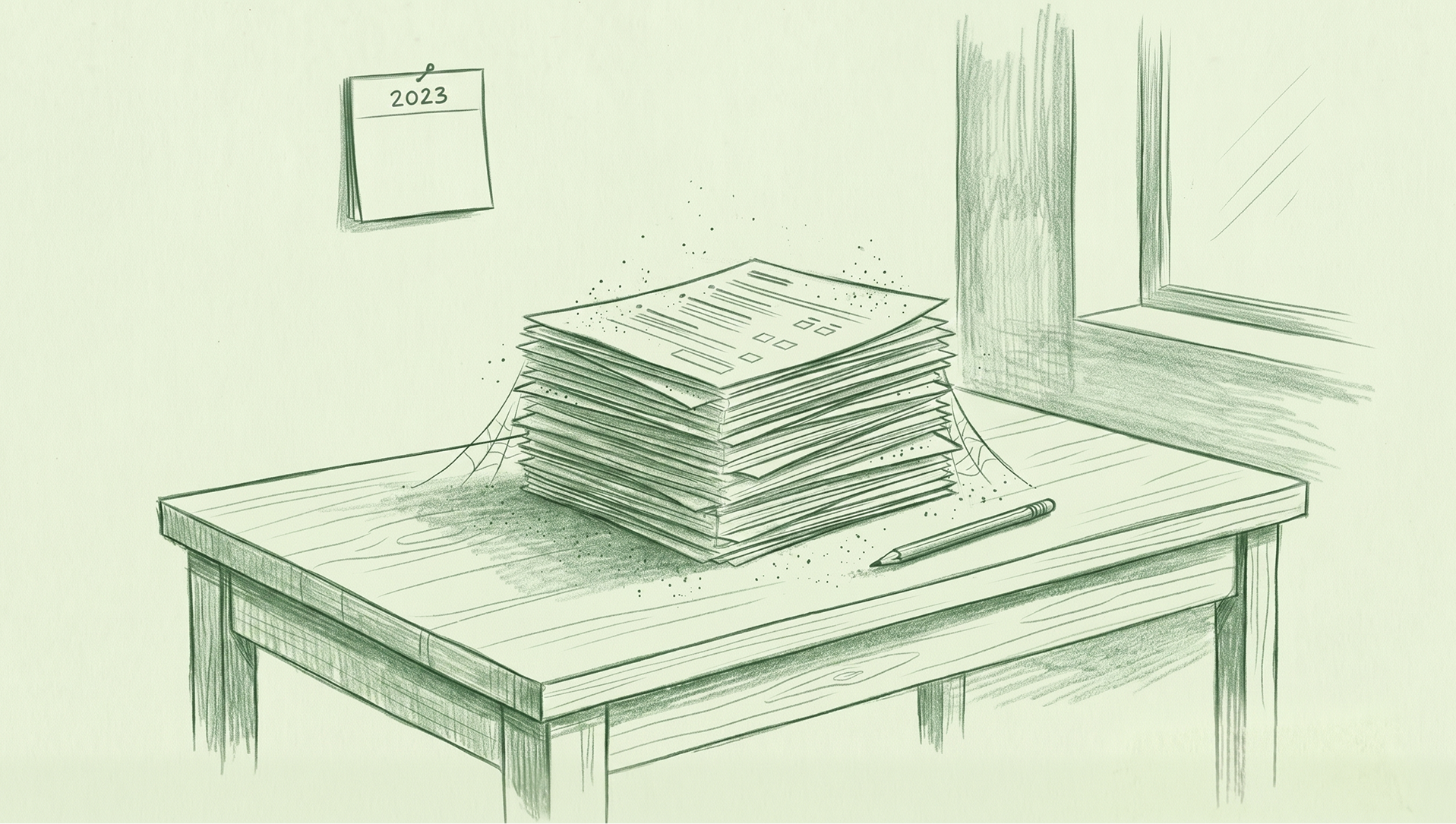
For years, annual engagement surveys have been the go-to tool for HR teams trying to take the pulse of their workforce. They arrive like clockwork: a comprehensive list of questions about job satisfaction, leadership, communication and career development. Once responses are in, HR compiles a report, shares findings with leadership and perhaps rolls out a few initiatives. But that model is showing its age. Annual surveys are not only outdated — they're misleading. They miss the real-time realities of workplace sentiment, overlook early warning signs of disengagement and fail to spark meaningful change.

"By the time survey results are analysed, up to 40% of the workforce may have experienced a major change in their role, team, or manager." — Visier Insights Report
The biggest problem: annual surveys attempt to measure a moving target with a static approach. By the time results are reviewed and initiatives planned, the moment has passed. The team dynamic has shifted. Key concerns may have changed. In some cases, employees who silently harboured frustrations have already walked out the door.
"Only 22% of employees strongly agree that their company acts on survey results." — Gallup, 2023
The format itself is a barrier. When surveys are long and laborious and employees know that nothing will happen for months (if at all), they become disengaged from the process. Response rates drop. Feedback becomes filtered. People sugar-coat answers or express frustrations that have already faded, leaving little actionable insight. Annual surveys tend to produce data that is stale, skewed and superficial.
"70% of employee experience is shaped by day-to-day interactions and manager relationships, not annual surveys." — Harvard Business Review
A better approach embraces the real-time nature of modern work: dynamic, light-touch intelligent surveys that gather employee insights on an ongoing basis and deliver actionable data in real time. These platforms integrate seamlessly into daily workflows — chat-based check-ins and sentiment analysis tools that measure the temperature of the organisation in real-time.
Platforms like Cognexo measure sentiment from day one and aggregate data to uncover trends over time — whether it's a sudden dip in satisfaction within a specific team or recurring concerns around leadership transparency. Built-in escalation workflows ensure the right insights reach the right people at the right moment. C-suite leaders increasingly demand visibility into whether foundational cultural initiatives are truly happening and having impact — platforms like Cognexo surface strategic engagement metrics directly to senior leadership in real time.
The employee experience is no longer something that can be audited once a year. Companies that succeed will be those that listen more often, act more quickly and treat feedback not as a ritual but as a real-time resource for change. The future of employee experience isn't annual. It's always on, always listening and always evolving.