


blog
How Cognexo increases awareness and readiness for new Consumer Duty regulations
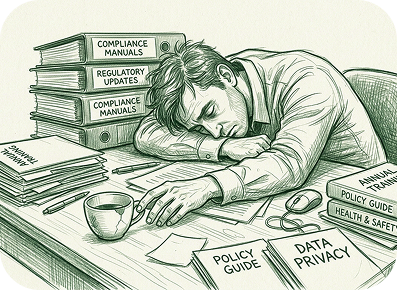
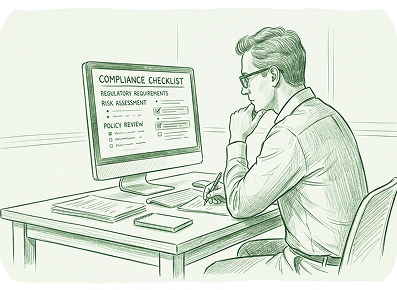
The FCA's Consumer Duty regulations outline how consumers should be treated by businesses...
Read more



According to the World Economic Forum, 44% of workers' core skills are expected to change by 2027. McKinsey reports that up to 375 million workers may need to switch occupational categories by 2030 due to automation and AI. You can't reskill what you can't see.

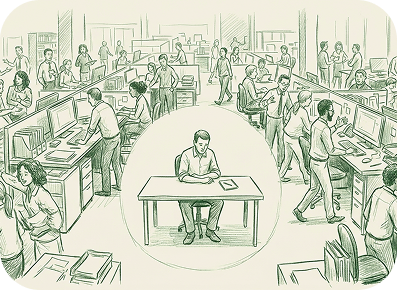
Most organisations think they know what skills they have. But what they really have is a record of job titles and past roles. That's not visibility — it's outdated metadata. Traditional tools (standard e-learning, static assessments, infrequent surveys) offer snapshots, not moving pictures. A Harvard Business Review study found that only 25% of employees believe their organisation's learning offerings are relevant to their role.
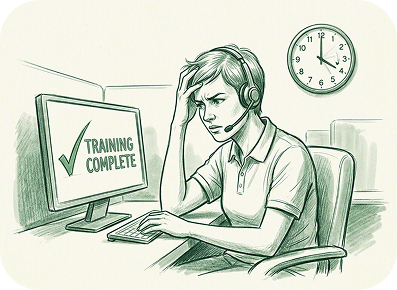
Standard e-learning assumes the same content fits everyone. Deloitte research shows 70% of employees say they lack the skills needed to do their job well, despite widespread access to online learning tools.
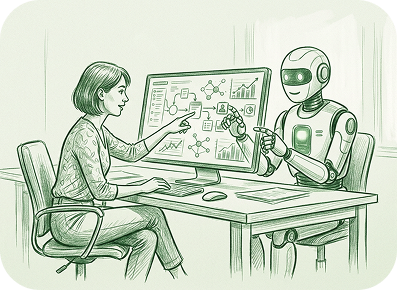
What HR gains: real-time skill mapping at scale; data-driven learning paths; alignment between business capability needs and people development; clear ROI on investment. What employees gain: feel seen, learn better, grow faster.
According to LinkedIn's 2023 Workplace Learning Report, companies that excel at internal mobility retain employees nearly twice as long. Research from Josh Bersin shows that replacing an employee can cost 1.7x more than reskilling an internal one, factoring in lost productivity and ramp time. Despite this, many companies default to external recruitment because it's easier to post a job than to truly understand internal talent.