



blog
How Cognexo increases awareness and readiness for new Consumer Duty regulations
The FCA's Consumer Duty regulations outline how consumers should be treated by businesses...
Read more



Burn and churn" describes the cycle where employees burn out and are then replaced by new hires who meet the same fate — a machine programmed to exhaust and replace.

#1 Deliberate [and Illegal] Burn and Churn
A deliberate strategy where employers cycle through employees to avoid long-term obligations, prevent unionisation, or evade compliance responsibilities. Especially prevalent in some developing economies. In the UK, this has surfaced as "fire-and-rehire" — dismissing employees and immediately rehiring on less favourable terms. In 2021, Tesco attempted to remove a pay supplement by firing and rehiring employees without it. The Union of Shop, Distributive and Allied Workers (Usdaw) challenged this and in 2024 the UK Supreme Court ruled against Tesco, blocking its use of "fire-and-rehire" to reduce pay. Recommended action: partner with legal and compliance teams to evaluate current employment practices.
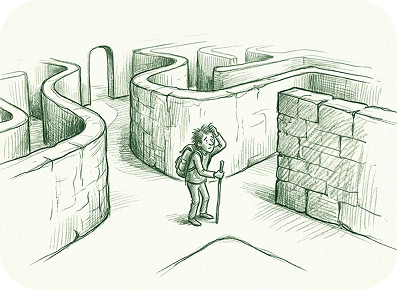
#2 Normalised Burn and Churn
In some sectors, high turnover is normalised — industries like telemarketing and retail where fast pace and lower pay are seen as inevitable drivers of attrition. High turnover is seen as a business cost. Recommended action: quantify the opportunity cost of turnover — recruitment expenses, training time and productivity losses — to build the business case for change.
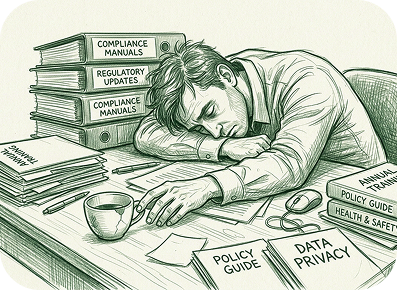
#3 Unintentional Burn and Churn
Occurs where employees face chronic stress, long hours and unsustainable workloads as a byproduct of work culture, without burnout being deliberately engineered. Recommended action: look deeper into employee wellbeing and burnout metrics; implement work-life balance policies; promote mental health resources; conduct regular surveys and track turnover among high-performing employees.
Cognexo's people insights tool — Cognexo Connect — systematically measures employee sentiment early in the lifecycle before it leads to disengagement and eventually turnover; it assesses trends and tracks other key engagement metrics in real-time.
Whatever the reason behind burn and churn, it demands immediate action. It comes down to three things: listen to employees; create sustainable work practices; make leadership accountable.