



blog
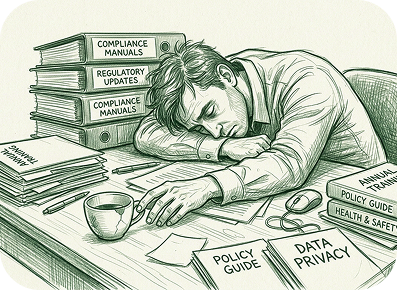
How Cognexo increases awareness and readiness for new Consumer Duty regulations
The FCA's Consumer Duty regulations outline how consumers should be treated by businesses...
Read more



Written during Mental Health Awareness Week. Government proposal to withdraw benefits for individuals with mental health conditions sparked a heated debate — changes intended to encourage affected individuals to re-enter the workforce by shifting reliance from government support to employment.
Promote self-reliance, lessen long-term dependency on welfare. Meaningful employment has positive effects on mental wellbeing — structure, routine, social interaction. Reducing welfare costs could allow reallocation of resources towards enhanced mental health services or employment support programmes.
Critics argue the approach overlooks the complexities of mental health and places undue pressure on individuals who may not be ready to return to work. Mental health conditions (depression, anxiety, PTSD) vary widely in severity. Forcing premature return may exacerbate conditions. Stigma surrounding mental health creates additional workplace challenges.
Employers will likely face an increased number of employees with mental health conditions entering or re-entering the workforce. Strategies to address this:
Dan Buckley CEO quote: "The intersection of mental health and work requires careful consideration and support from all stakeholders. We need a holistic approach to addressing mental health issues in the workplace which goes beyond the individual and involves employers, employees, policymakers, mental health professionals and the wider community."