



blog
How Cognexo increases awareness and readiness for new Consumer Duty regulations
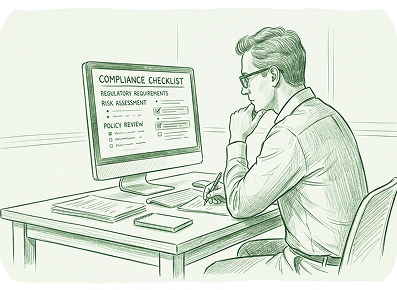
The FCA's Consumer Duty regulations outline how consumers should be treated by businesses...
Read more



Around 6.5 million UK workers will quit their job per year.

Exit interviews provide data points indicating the health of your employee experience. Four key areas to investigate:
~75% of organisations conduct exit interviews; only 1% do them correctly; ~91% of Fortune 500 companies conduct them; only 15% of departing employees accept the invitation.
#1 Preparation — review the employee's background; determine whether departure was anticipated or unexpected; plan appropriate questions. Resource: aihr.com/blog/exit-interview-questions/
#2 How to request the exit interview — the invitation can make or break participation. Suggested text provided: "As we continuously look to improve our employee experience, we would value any insights you'd be willing to share… Please be assured that our conversation will remain completely confidential." If employee declines: respect their decision, offer survey alternatives as they avoid face-to-face awkwardness.
#3 Who is the right person to conduct it? — Don't use the employee's line manager. Best option: third-party company (only ~1% of companies do this) for maximum candour, unbiased questioning and confidentiality. Alternative: internal HR personnel or a trusted senior individual. In large organisations, standardised digital processes ensure consistency.
#4 Exit interview checklist — Download printable checklist at cognexo.com/wp-content/uploads/2024/10/EXIT-INTERVIEW-CHECKLIST.pdf
#5 Can you automate exit interviews with software? — Survey-based exit interviews offer key benefits: built-in anonymity, scalability; but surveys can't adapt in real-time to responses and employees may be less motivated to complete them.
Cognexo's position: measure engagement from day one — even as early as the pre-boarding phase — so issues that might lead to disengagement can be highlighted, escalated and dealt with before they lead to turnover. The best way to solve a problem is to prevent it from happening in the first place.